"Caring for Peace Lilies at Home with LECHUZA Self-Watering Planters"
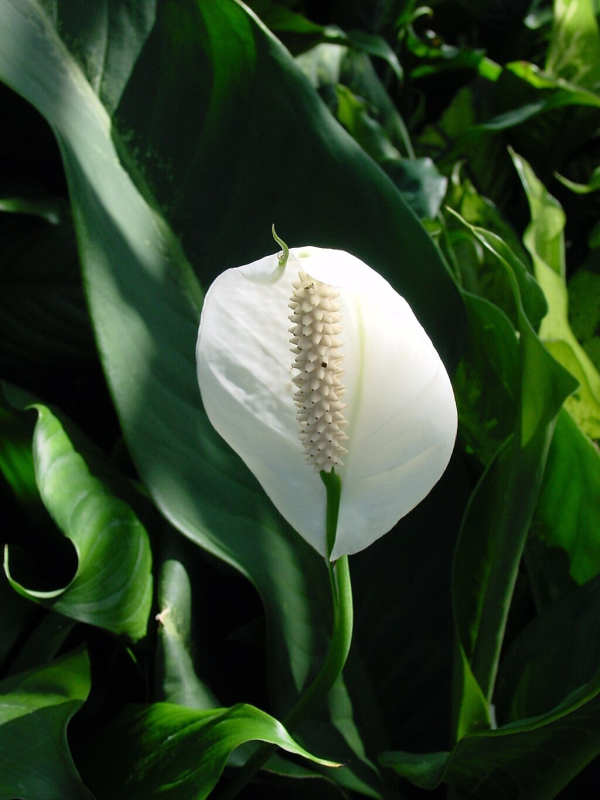
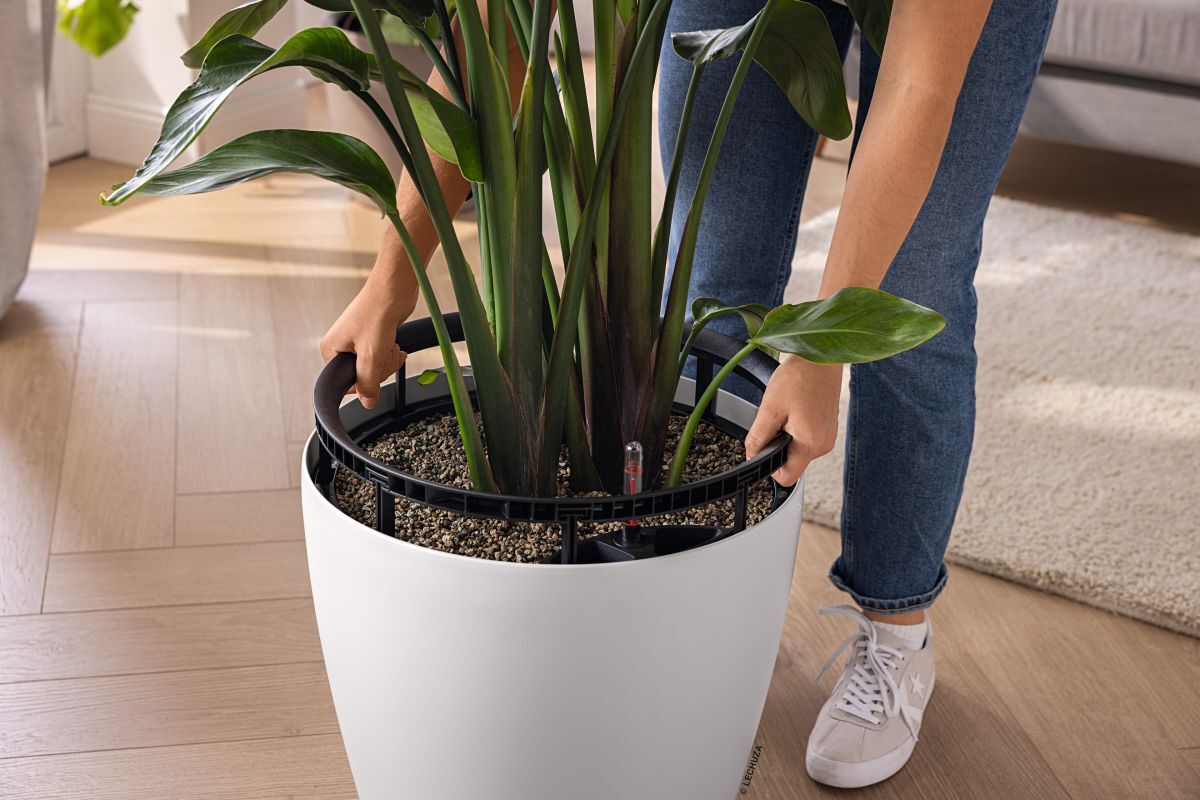
Peace lilies (Spathiphyllum) are beloved houseplants for their graceful white blooms, lush green foliage, and impressive ability to purify indoor air. They’re also one of the easiest tropical plants to keep—especially when paired with a LECHUZA self-watering planter such as CLASSICO Color, which provides them with the ideal home. Using LECHUZA’s unique planter system and high-quality substrate can help your peace lily thrive with less guesswork and minimal maintenance.
Whether you're a new plant parent or looking to upgrade your care routine, here’s everything you need to know.
Why Peace Lilies Love LECHUZA Planters
LECHUZA planters come with a built-in self-watering reservoir and a water-level indicator, allowing your peace lily to drink only what it needs, when it needs it. This is especially helpful because peace lilies prefer consistently moist—but never soggy—soil.
Key Benefits
- Prevents overwatering: The reservoir keeps water off the roots until the plant pulls it upward, reducing rot risks.
- Creates even moisture distribution: LECHUZA-PON substrate wicks water evenly.
- Reduces watering frequency: Perfect for busy households or frequent travellers.
Promotes healthy root development: The airy mineral substrate helps oxygen flow around the root system.
Step-by-Step Guide: Planting a Peace Lily in a LECHUZA Self-Watering Planter
1. Prepare the Planter
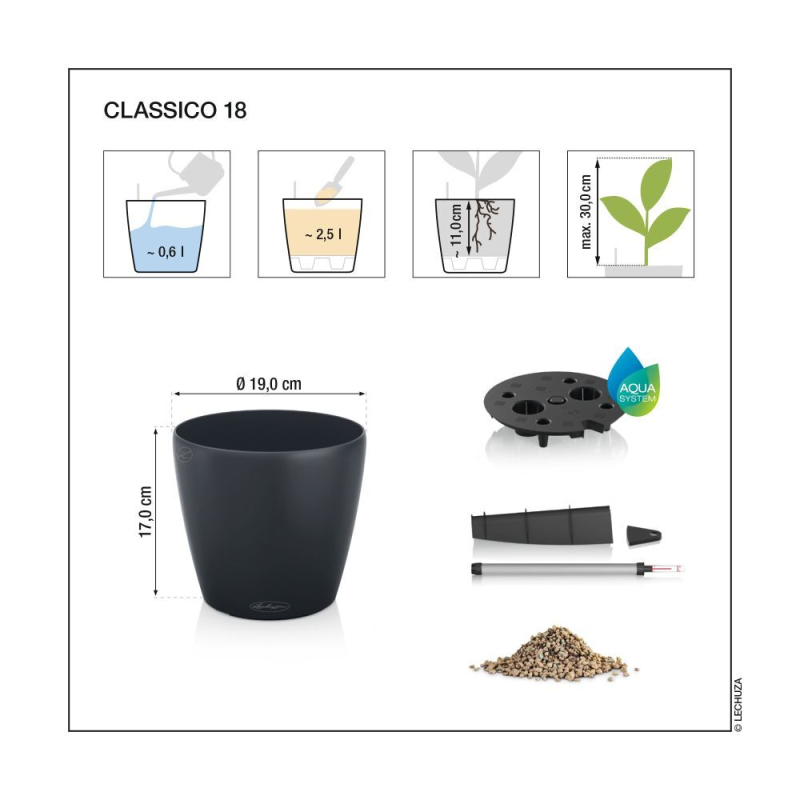
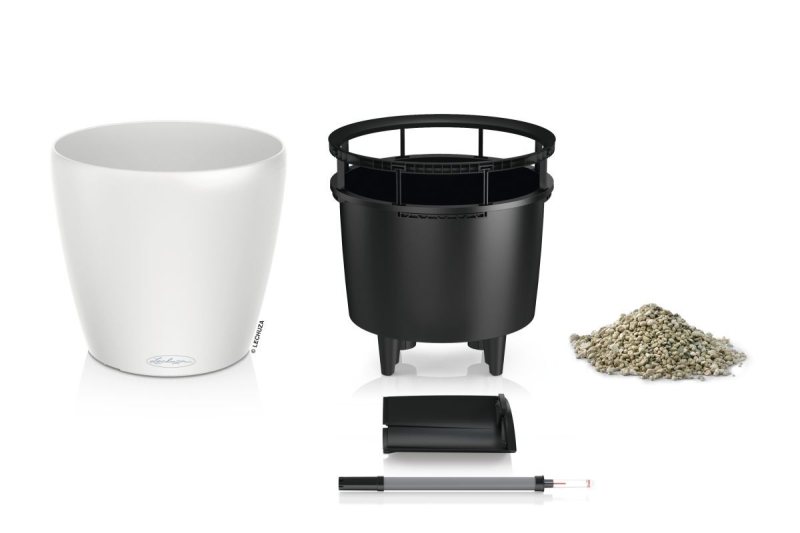
Each LECHUZA planter system includes:
- A planter liner
- A self-watering reservoir
- A water-level indicator
- LECHUZA-PON (the recommended substrate)
Start by placing a layer of LECHUZA-PON at the bottom of the liner. This acts as drainage and the wicking system that transports moisture upward.
2. Add Substrate or Potting Mix
You have two options:
- Plant fully in LECHUZA-PON, which is excellent for aeration.
- OR use high-quality indoor potting soil above the PON base layer.
Peace lilies do well with either approach, but full-PON setups require less maintenance.
3. Position the Plant
Remove your peace lily from its nursery pot, loosen the root ball gently, and place it in the liner.
Fill around the root ball with more substrate or potting mix until secure.
4. Top-Water at First
For the first 2–4 weeks, water from above to help the roots grow downward into the reservoir zone.
Once the water-level indicator begins to rise after watering from above, the plant is ready to switch to self-watering.
Ongoing Care for Peace Lilies in LECHUZA Planters
Light Requirements
Peace lilies thrive in:
- Bright, indirect light, or
- Lower-light areas where many houseplants struggle.
Avoid direct midday sun, which can scorch the leaves.
Watering with the LECHUZA System
Once established:
- Fill the reservoir until the indicator reaches “max.”
- Allow the reservoir to fully empty before refilling.
Typical refill frequency: 1–3 weeks, depending on location and season.
Peace lilies are sensitive to limescale, so if your tap water is very hard, consider using:
- Filtered water
- Rainwater
- Distilled water
The reservoir system minimizes leaf spotting caused by mineral-heavy water splashing the foliage.
Humidity & Temperature
Peace lilies enjoy a tropical environment:
- Ideal temperature: 65–80°F (18–27°C)
- Humidity: Medium to high
If the air is dry, lightly mist the leaves or place the plant away from heat vents.
Fertilising
LECHUZA-PON contains a slow-release starter fertilizer, but after 6 months:
- Use a mild, water-soluble indoor plant fertiliser
Feed lightly every 4–6 weeks during spring and summer
Avoid over-fertilizing—peace lilies prefer a gentle feeding schedule.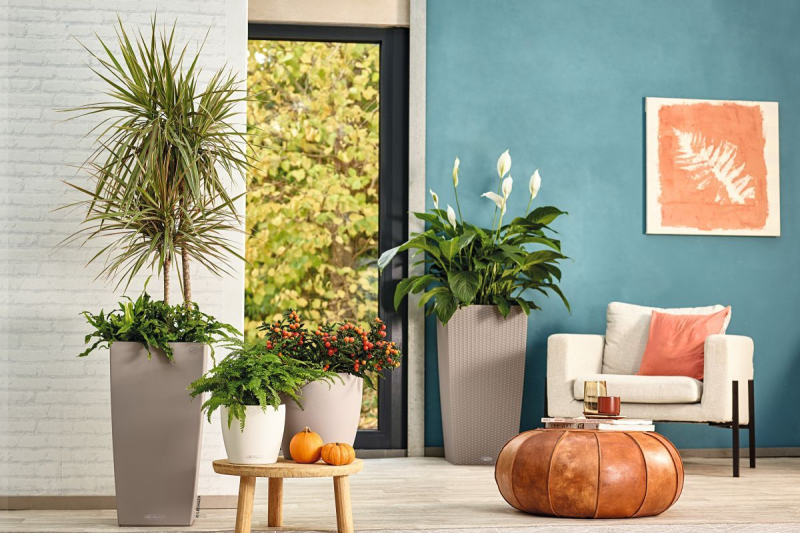
Troubleshooting Common Issues
Drooping Leaves
Peace lilies dramatically droop when thirsty but perk up quickly once watered. If drooping occurs despite a full reservoir, the roots may not yet be fully grown into the water zone.
Brown Tips
Often caused by:
- Hard water
- Low humidity
- Excess fertiliser
Trim the tips if needed, and try using softer water.
Yellow Leaves
Usually a sign of:
- Overwatering (if using potting soil)
- Poor drainage
- Too much light
Switching to full LECHUZA-PON often resolves chronic moisture issues.
Final Thoughts
Peace lilies are naturally resilient plants that bring beauty and calm to any indoor space. Pairing them with a LECHUZA self-watering planter creates an ideal low-maintenance setup—perfect for both beginners and experienced plant enthusiasts. With the right environment, consistent moisture, and occasional feeding, your peace lily will reward you with lush foliage and elegant white blooms year after year.