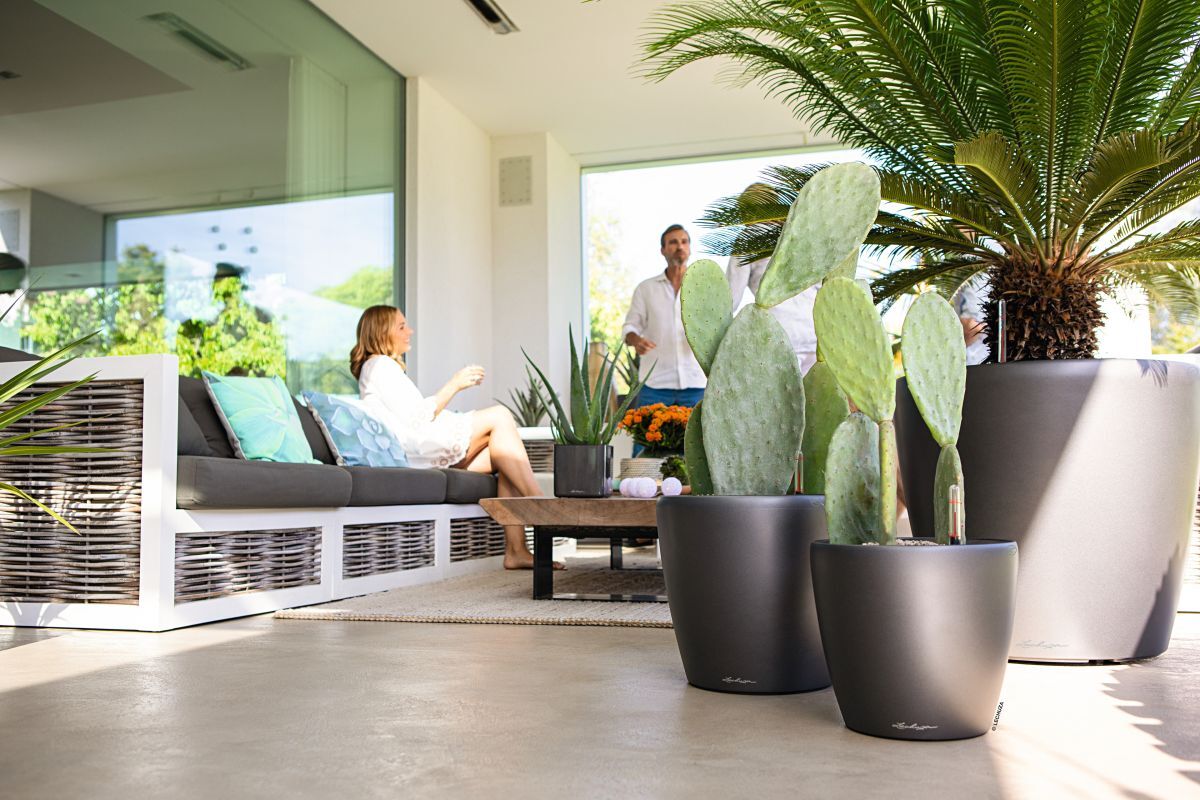
"How to Care for Indoor Palms Using Lechuza Self-Watering Planters & Palmpon Substrate"
Indoor palms bring a lush, tropical feel to any living space—but keeping them healthy can be tricky without the right setup. Pairing Lechuza self-watering planters with Palmpon potting mix creates a near-perfect environment for long-term palm health. This combination simplifies watering, improves aeration, and helps your palm thrive with less effort.
Below is a complete guide to using this system, plus palm-specific care tips.
Why Indoor Palms Need Special Care
Indoor palms such as Areca, Kentia, Parlor, Majesty, and Bamboo palms all share similar needs:
- Consistent moisture, but never soggy soil
- Excellent aeration at the roots
- Steady humidity
- Balanced light—not too harsh but not too dim
- A nutrient-rich but well-draining growing medium
A self-watering system paired with a stable, airy substrate meets these needs better than traditional soil.
What Makes Lechuza Planters Ideal for Palms?
Lechuza self-watering containers are designed to prevent the #1 killer of palms indoors: overwatering.
Key benefits:
- Built-in water reservoir: Keeps moisture available without waterlogging roots.
- Capillary irrigation: Substrate pulls water upward as needed.
- Consistent hydration: Prevents dramatic wet/dry cycles that palms dislike.
- Low-maintenance: You may only refill the reservoir every 1–3 weeks depending on plant size, light, and time of year.
- Aerated root zone: Lechuza’s structure promotes healthy oxygen flow to roots.
For moisture-sensitive palms, this system removes a lot of guesswork and risk.
Why Palmpon Substrate Works So Well
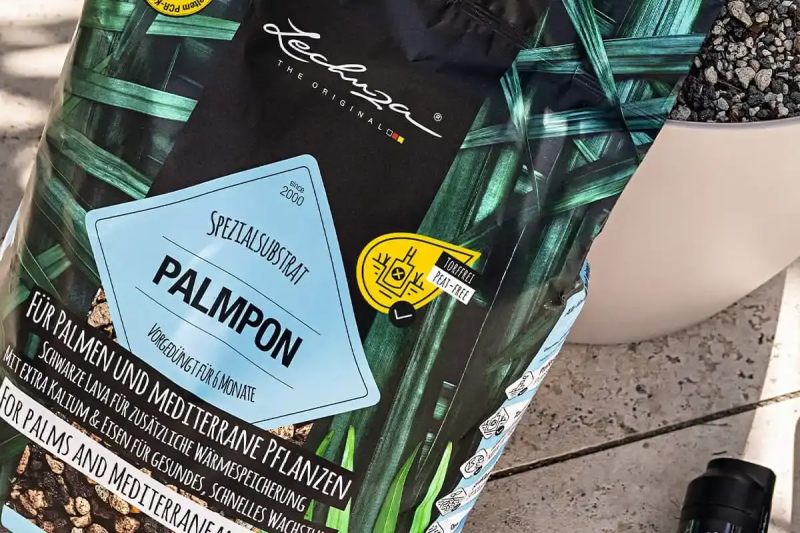
Palmpon is a specialised palm-focused substrate blend developed to mimic the airy, fibrous soils palms naturally grow in.
Palmpon advantages:
- Excellent drainage to prevent root rot
- High air content to support fine palm roots
- Moisture retention without compaction
- Long-lasting structure—doesn’t break down quickly
- Ideal pH for palm species
- Clean, pest-free, and lightweight
Palmpon with Lechuza self-watering planters is an exceptionally compatible pairing because the substrate wicks water effectively while still allowing roots to breathe.
How to Pot an Indoor Palm with Lechuza
What you need:
- Lechuza self-watering planter (with liner + water level indicator)
- Lechuza-PON layer (included with most planters)
- Palmpon growing substrate
Your palm plant (healthy, rootbound palms transfer especially well)
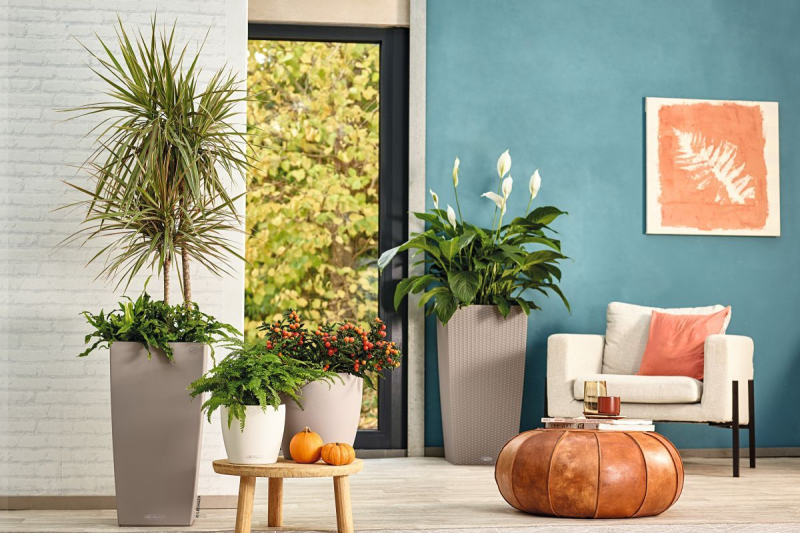
Step-by-Step Potting Guide
1. Assemble the planter
- Follow the Lechuza instructions:
- Insert the separator plate over the reservoir.
- Add the included Lechuza-PON as the drainage/cover layer.
- (Essential for preventing substrate from falling into the reservoir.)
2. Add Palmpon substrate
- Fill the container roughly halfway with Palmpon. Gently create a planting hole.
3. Prepare the palm
- Remove the palm from its nursery pot.
- Loosen outer roots without tearing them.
- Trim away any dead or mushy roots.
4. Set the palm into the planter
- Position the palm so the root flare sits slightly below the rim. Straighten the trunk(s) and fill in the sides with more Palmpon.
5. Water from the top for 2–4 weeks
- This helps the roots adapt to the new substrate before switching to reservoir feeding.
6. Once established, begin using the self-watering system
- Fill the reservoir when the indicator reads “MIN.”
Avoid overfilling—palms dislike standing water.
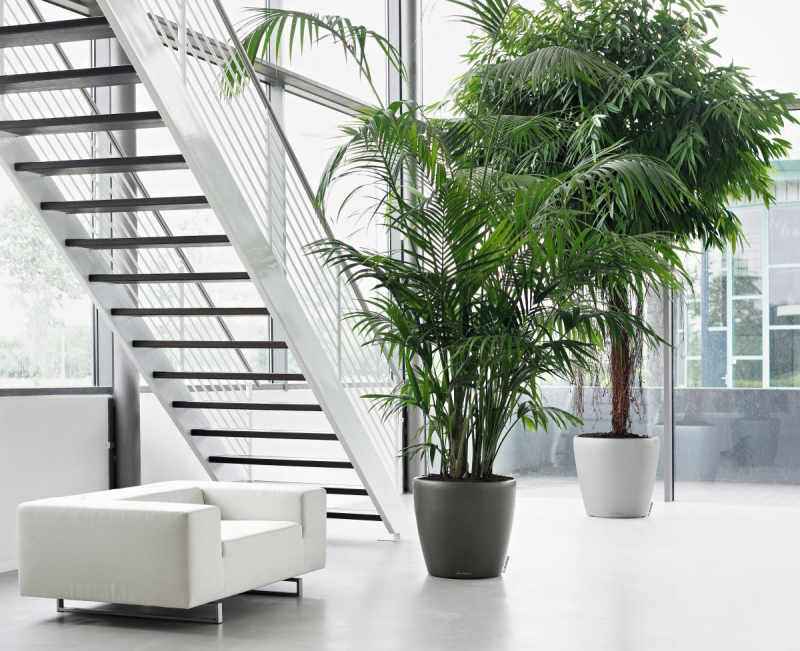
Watering Guidelines for Palms in Lechuza Planters
- During the establishment period (first 2–4 weeks):
- Water from the top like normal.
- Let excess water run out.
- Do not fill the reservoir yet.
- After establishment:
- Fill the water reservoir until indicator shows MAX.
- Allow the reservoir to empty before refilling.
- Never keep the reservoir constantly full—palms need breathing cycles.
General watering frequency:
- Winter: Every 2–4 weeks
- Spring/Summer: Every 7–14 days
- High light environments: More frequently
Light Requirements
- Most palms prefer:
- Bright to medium indirect light
- East or north windows
- South/west windows only if the palm sits out of direct beams
Majesty palms require the brightest conditions, while parlor palms tolerate the lowest.
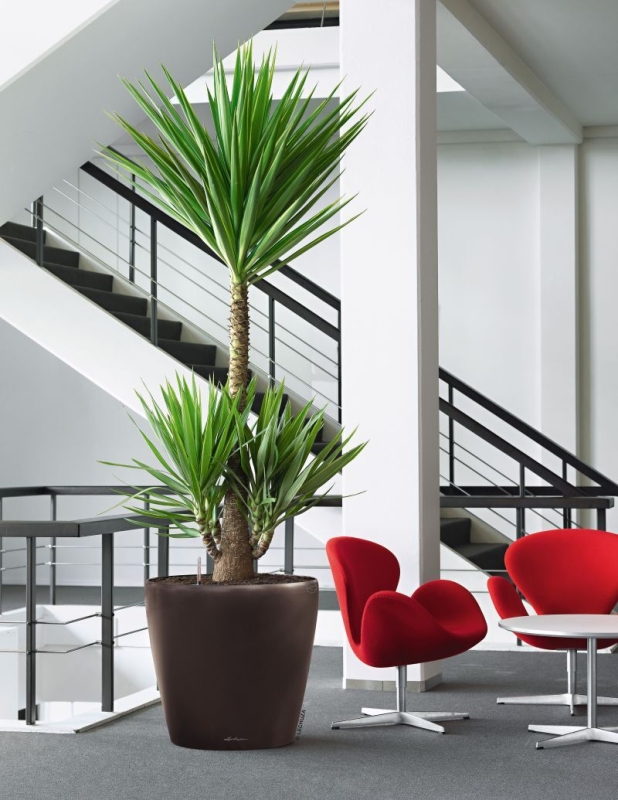
Humidity & Temperature
- Palms love humidity:
- Aim for 40–60% humidity.
- Use pebble trays, humidifiers, or group plants together.
- Keep away from heating vents or dry drafts.
Temperature range palms prefer:
- 65–80°F (18–27°C)
- Never below 55°F (13°C)
Fertilising Palms in Palmpon
Since Palmpon is nutrient-balanced but not heavily fertilised, you'll want to supplement lightly. Use a slow-release fertiliser suitable for palms or diluted liquid fertiliser such as LECHUZA PERFECT LEAF during the growing season.
Fertilise only when the water reservoir is low, then refill after.
Pruning & Maintenance
- Remove fully brown fronds only (never cut half-green fronds).
- Wipe dust from leaves monthly.
- Rotate the plant occasionally for even growth.
- Inspect for spider mites—palms attract them in dry conditions.
Best Palm Species for Indoor Lechuza Planters
- Areca Palm
- Kentia Palm
- Parlor Palm
- Lady Palm
- Bamboo Palm
- Majesty palms can also work, but require brighter light and higher humidity.
Final Thoughts
Using Lechuza self-watering planters with Palmpon growing substrate takes the stress out of palm care. This system:
- Provides steady hydration
- Prevents root rot
- Improves air circulation
- Reduces maintenance
- Supports long-term palm health
Whether you’re a beginner or an experienced plant keeper, this combination brings out the best in your indoor palms—keeping them lush, green, and thriving with minimal effort.