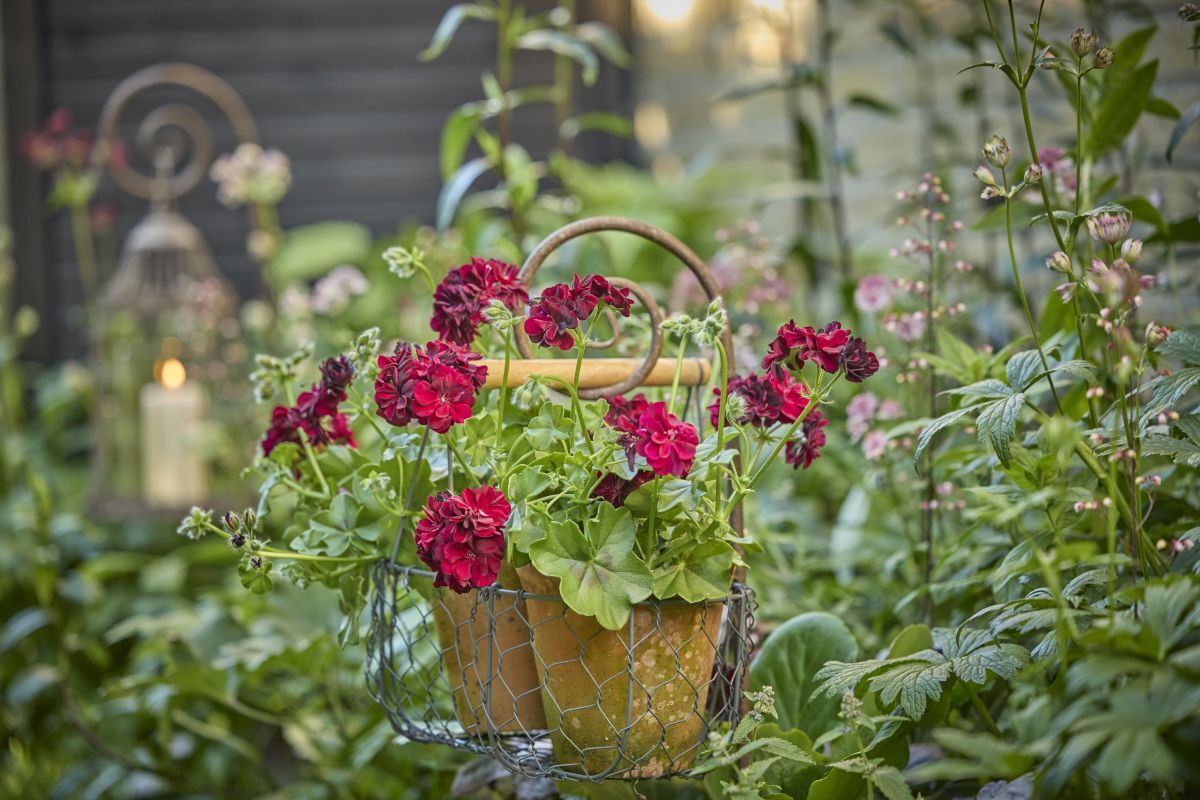
"Best Fast-Growing Flowers to Plant in May"
If you are planning to plant in May and desire results in a short time, consider selecting a variety of fast growing flowers. These plants not only add a burst of colour to your garden, but they also attract beneficial pollinators like bees and butterflies. Best of all, these low maintenance options will flourish within just a few weeks, allowing you to enjoy a lively and captivating garden without the hassle.
Pelargoniums
Often affectionately referred to as geraniums, pelargoniums are a beloved choice for adding a burst of colour during the summer months. Their flowers catch the eye of anyone looking at them. They are also great for boarders and container planting. They are celebrated for their ability to produce an abundance of long-lasting blooms that can transform any space. Their versatility is unmatched, they thrive in various settings, whether in pots on a balcony, or in hanging baskets, they are perfect for any bedding display.
They are well suited for warmer, drier climates, making them a reliable choice for summer gardens. Many varieties even boast aromatic leaves, which add an extra sensory element, making them a favourite for patios and outdoor areas.
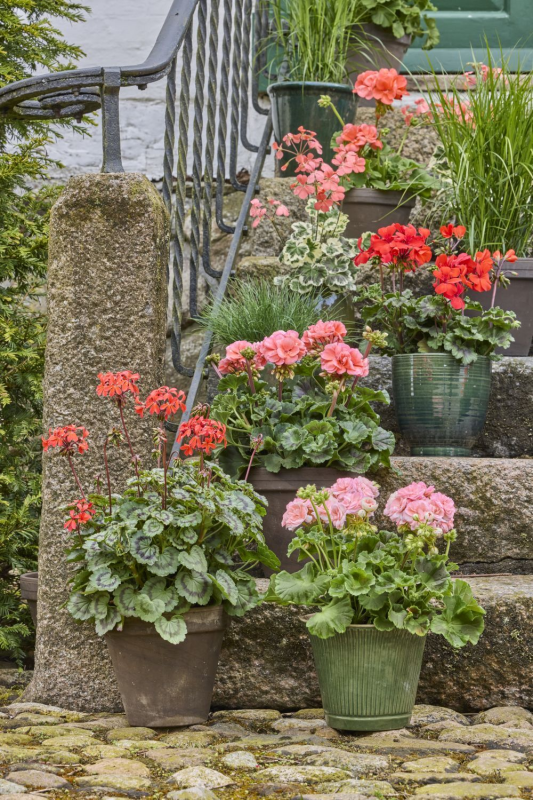
When planted in May, typically as young plug plants, pelargoniums can surprise and delight gardeners with their first flowers coming in just 4-6 weeks. Their vigorous growth allows for continuous flowering throughout the entire summer, providing that splash of colour that lasts.
Give them well-drained, fertile compost or garden soil, but ensure the roots have the support they need. They prefer full sun, though they can tolerate partial shade, making them adaptable. Moderate watering is key, it's important to allow the top layer of the soil to dry slightly between waterings.
Pelargonium image credit: Pelargonium for Europe UK
Sunflowers
Sunflowers are an eye catching addition to any garden, celebrated for their swift growth, bold and towering stature, and their attraction to pollinators. They not only provide a quick splash of height and visual interest, but they also support local wildlife, creating a lively ecosystem. Their easy to grow nature makes them an ideal choice for novice gardeners and seasonal horticulturists alike. It also makes them ideal for children, their fast growth and range of colours are great for children to experiment with.
Many varieties of sunflowers can bloom within a 8 - 12 week period after sowing them, transforming your garden into a display of golden petals in no time. Sunflowers thrive in well-drained areas, and moderately fertile soil. They require full sunlight, and need to bask for at least six hours of direct sunlight each day to reach their full potential. Keeping them watered is key to their growth, consistent watering is important, especially during their establishment phase.
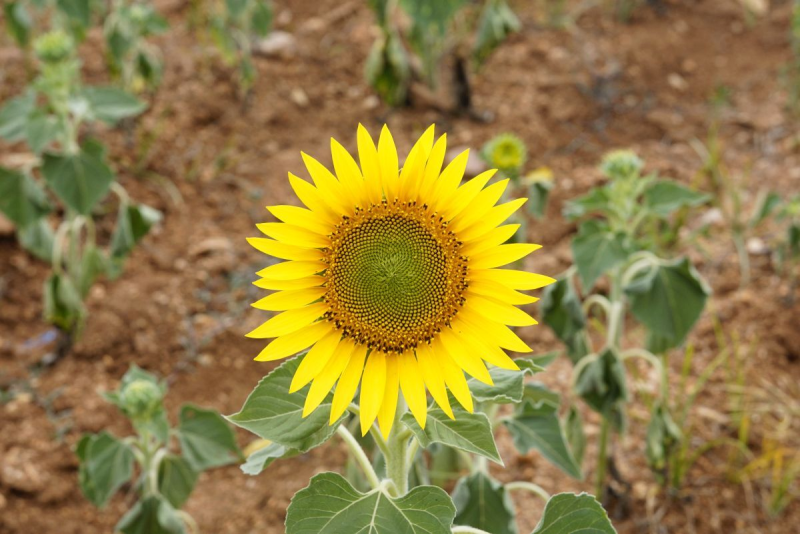
Sunflower image credit: Vengolis via WikiCommons
Cosmos
Cosmos plants are characterised by their elegant flowers, yet they possess resilience, making them a great choice for effortless summer gardens. These enchanting flowers can add a splash of colour while requiring minimal upkeep.
Cosmos produce an abundance of flowers, often blooming from late spring through the first frost, this ensures your garden benefits from them for months to come. They have bright, inviting flowers that attract a range of pollinators.
They also tolerate poor soil, they are hardy plants and are not fussy about soil quality, thriving even in less fertile conditions, which makes them perfect for a variety of garden settings.
Cosmos can start to display their colourful flowers in as little as 6 - 8 weeks, offering quick gratification for gardeners eager to see results. You don’t really need to worry about fertilisation as they are fine dealing with low nutrient environments. They also require low to moderate watering. Once established, they are notably drought tolerant, making them an excellent choice for water wise gardens. When it comes to sunlight they thrive in full sun and love to bask in sunlight throughout the day.
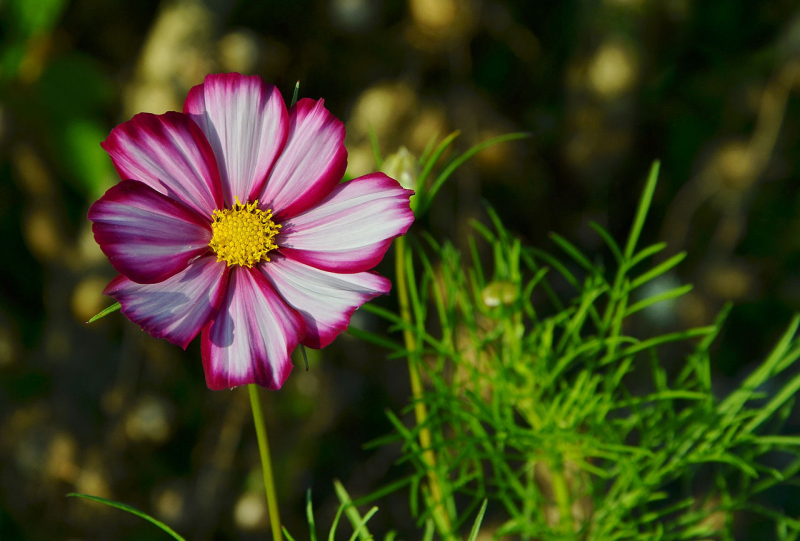
Cosmos image credit: JLPC via WikiCommons
Calendula
Commonly referred to as the pot marigold, calendula is a versatile plant that brings colour and vitality to any garden. Its golden blooms are not only eye-catching but also have a variety of practical uses.
Calendula’s bright, sunny flowers brighten up any space. Beyond their beauty, the blooms are well known for their medicinal properties, often used in herbal remedies for their anti-inflammatory and healing qualities (Seek doctors advice before using it). Additionally they attract beneficial insects and can be used as companion plants when growing fruits and vegetables. They typically start to flower within 6-8 weeks after planting, allowing you to enjoy their bright display in a relatively short time.
It does require moderate watering, with the soil kept lightly damp, this approach helps prevent root rot while ensuring the plant receives the hydration it needs to thrive. Give them full sun but it can also tolerate partial shade, giving it flexibility in placement in your garden.
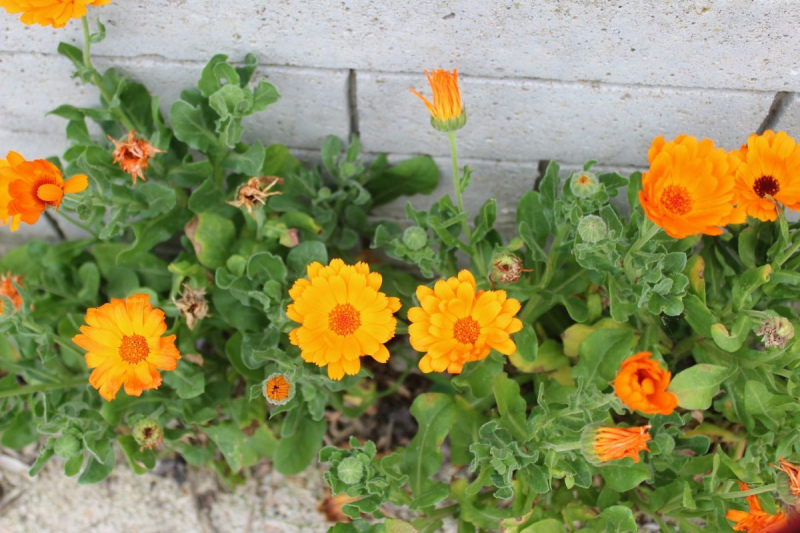
Calendula image credit: Kizil via WikiCommons
Zinnias
Zinnias are a popular choice among gardeners celebrated for their rapid growth and stunning display of colours during the summer months. They can transform any garden space into an inviting setting. Zinnias come in an array of colours, including reds, pinks, yellows, and oranges, making them perfect for adding a burst of colour.
Their long-lasting flowers and long stems are fantastic for floral arrangements, allowing you to bring the beauty of your garden indoors. They also are a magnet for butterflies and bees, enhancing your garden's ecosystem and providing enjoyment as you watch them flutter about.
Zinnias are quick to bloom, typically within 7-9 weeks from planting. They thrive best in fertile soil which promotes healthy root development, add some soil enricher to your soil and feed with an all-purpose organic feed every three weeks for the best results. They love the sun! They require full sunlight to grow strong and produce the brightest flowers. As for their watering needs, for the best results water them at the base and be careful not to splash the leaves, which can lead to fungal issues.
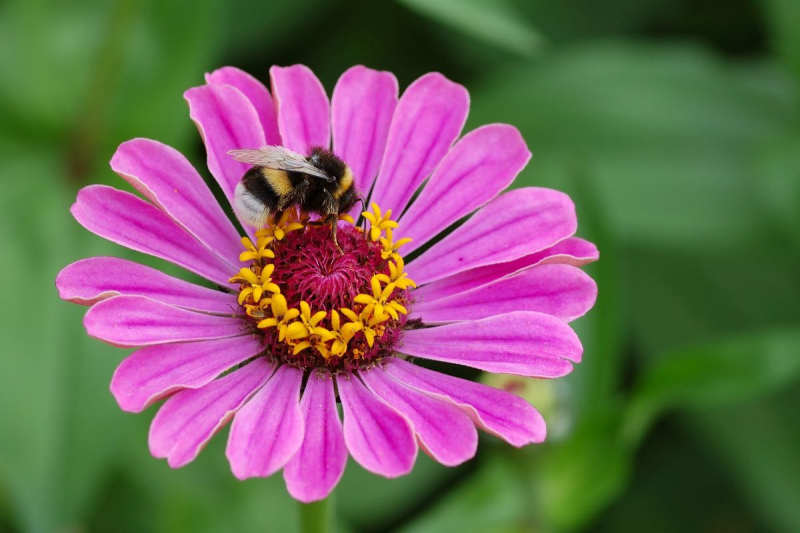
Zinnias image credit: Simon Koopman via WikiCommons
Final tip
Sowing seeds directly into the garden during the summer month of May can yield excellent results, as the warming soil provides an ideal environment for germination and helps with vigorous early growth. To ensure the best possible outcome, it’s important to keep the soil consistently damp during the germination period, as this helps the seed sprout more reliably. Once seedlings begin to emerge, thinning them out early is important to prevent overcrowding, allowing each plant the space it needs to develop strong roots and thrive.
Ross Dyke is the resident horticultural expert for Lechuza UK, bringing hands-on growing knowledge alongside a strong track record in education, media and industry engagement. Alongside his work as a grower, he hosts The Plant Pod podcast and founded Get Children Growing – an initiative that has delivered more than 14,000 free grow kits to UK schools in just two years. Ross is also a regular media contributor, recently launching a weekly column with the Worcester News and contributing across the wider Newsquest network, with his first book, The School Garden Guide: How to Grow, Cook, and Learn, set for publication this September.